Science & Space
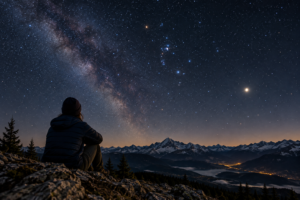
Why Do Stars Twinkle—but Planets Usually Don’t?
Discover how Earth’s atmosphere makes distant stars flicker, why planets usually look steadier, and how astronomers correct atmospheric distortion.

Discover how Earth’s atmosphere makes distant stars flicker, why planets usually look steadier, and how astronomers correct atmospheric distortion.

Explore how blinking maintains the tear film, protects the eyes, and interacts with the brain’s ability to keep visual experience feeling continuous.

Discover how wet and dry moats added layers of defense, controlled access, and became part of the changing landscapes around castles.
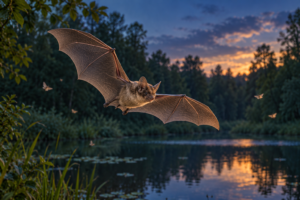
Explore how bats use returning echoes to detect obstacles and prey, why they adjust their calls, and why echolocation does not mean they are blind.

Discover how scanners turn patterns of bars and spaces into data, why a product’s price is usually stored elsewhere, and what makes a code difficult to read.

Explore how water’s molecular structure makes ordinary ice less dense than liquid water, why most of a floating cube stays underwater, and why this matters for lakes.