History & Culture
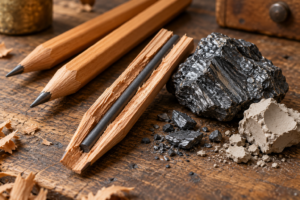
Why Is Pencil “Lead” Made of Graphite?
Pencil lead is not metallic lead. Explore the history of graphite, the role of clay, and why an old name survived a change in materials.

Pencil lead is not metallic lead. Explore the history of graphite, the role of clay, and why an old name survived a change in materials.

Discover how wet and dry moats added layers of defense, controlled access, and became part of the changing landscapes around castles.
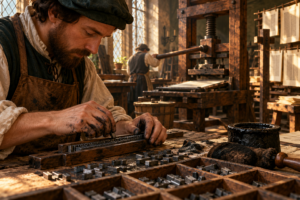
Explore how movable type changed the production of books, expanded the circulation of ideas, and reshaped communication without making knowledge instantly universal.

The short answer The seven-day week developed through a combination of ancient timekeeping, religious practice, and the planetary week used in the Mediterranean world. Jewish
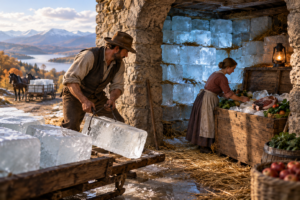
The short answer People used cool cellars, seasonal outdoor temperatures, insulated ice stores, and household iceboxes. In suitable climates, evaporation also provided cooling. Many foods

The short answer Driving sides developed from older road customs, vehicle practices, legislation, and political influence. Britain retained left-side traffic, and many territories influenced by
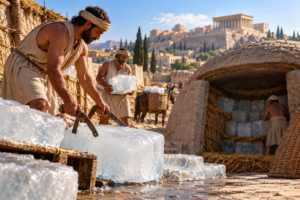
The short answer People obtained ice by harvesting it from frozen water, collecting mountain ice or snow, and, in suitable climates, freezing water in shallow

The short answer Before the electric telegraph, people used messengers, relay runners, mounted couriers, postal routes, ships, homing pigeons, and visual signals. The choice depended

The short answer People used a mixture of natural rhythms, household help, community signals, and timekeeping devices. Some relied on daylight or another person already
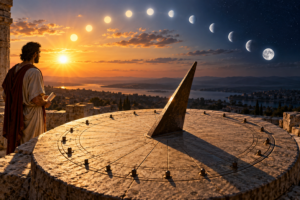
The short answer The 24-hour day has roots in ancient Egyptian timekeeping, which divided daylight and nighttime into twelve parts each. Those early hours were