
Body & Mind
How Does Your Body Keep Its Balance?
Balance is a team effort between the inner ears, eyes, body-position sensors, brain, and muscles. Discover why standing still is active work.

Balance is a team effort between the inner ears, eyes, body-position sensors, brain, and muscles. Discover why standing still is active work.

Explore how blinking maintains the tear film, protects the eyes, and interacts with the brain’s ability to keep visual experience feeling continuous.
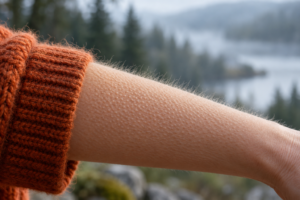
Discover how tiny muscles raise body hairs in the cold, why that response matters more in furry mammals, and what research reveals about hair follicles.

Explore what scientists know about yawning, why the oxygen explanation falls short, and how research investigates the urge to copy another person’s yawn.
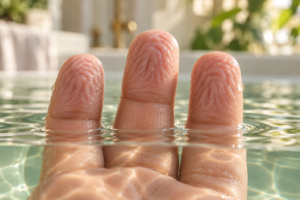
Learn how nerves and blood vessels help produce water-induced fingertip wrinkles, and why their possible benefit for wet grip is still debated.

Discover how fluid-filled canals in the inner ear detect rotation, why the sensation can continue after you stop, and how balance connects to vision.

Discover how the brain predicts self-generated touch, why timing changes ticklishness, and what researchers still do not know about tickling.

Explore why a new situation can feel strangely familiar, how researchers study déjà vu, and why a feeling of prediction is not proof of foresight.

The short answer Powerful musical experiences can engage emotional, reward, and autonomic nervous-system processes. The result may include a shiver, tingling, or goosebumps, often called

The short answer A smell can become associated with the people, places, and emotions present when you encounter it. Experiencing a similar odor later can