Animals & Nature
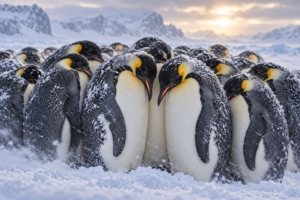
How Do Emperor Penguins Stay Warm in Antarctica?
Dense feathers, stored energy, and moving huddles help emperor penguins conserve heat during the Antarctic breeding season.

Dense feathers, stored energy, and moving huddles help emperor penguins conserve heat during the Antarctic breeding season.
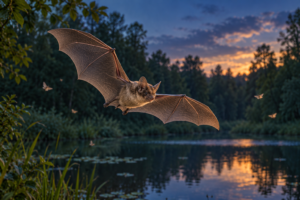
Explore how bats use returning echoes to detect obstacles and prey, why they adjust their calls, and why echolocation does not mean they are blind.
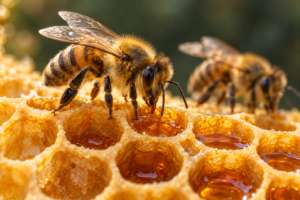
Follow nectar from a flower to a wax-capped cell and discover how honey bees use enzymes, teamwork, and evaporation to make honey.

Explore how migratory birds combine inherited directions, learned routes, the Sun, stars, magnetic cues, and landmarks to navigate.

Explore why cats purr during comfort, feeding, and other situations, and discover what research reveals about how they produce the sound.
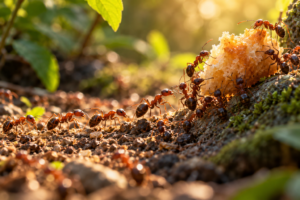
Follow the journey from a scouting ant to a busy food trail, and learn how pheromones, memory, and recruitment help colonies forage.

Discover how camels conserve water, manage heat, walk on sand, and use the fat in their humps to survive difficult desert conditions.

Learn why deciduous trees shed leaves, how they recover nutrients, what creates autumn colors, and why evergreens follow a different strategy.
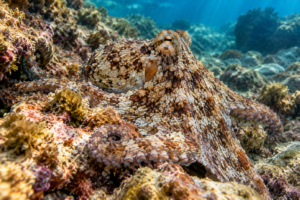
The short answer Octopuses control tiny pigment-containing organs in their skin called chromatophores. Muscles expand or relax these structures, changing how much pigment is visible.

The short answer Kneading begins in kittenhood, when kittens press their mother’s abdomen while nursing. Many cats retain the movement as adults, often while settling